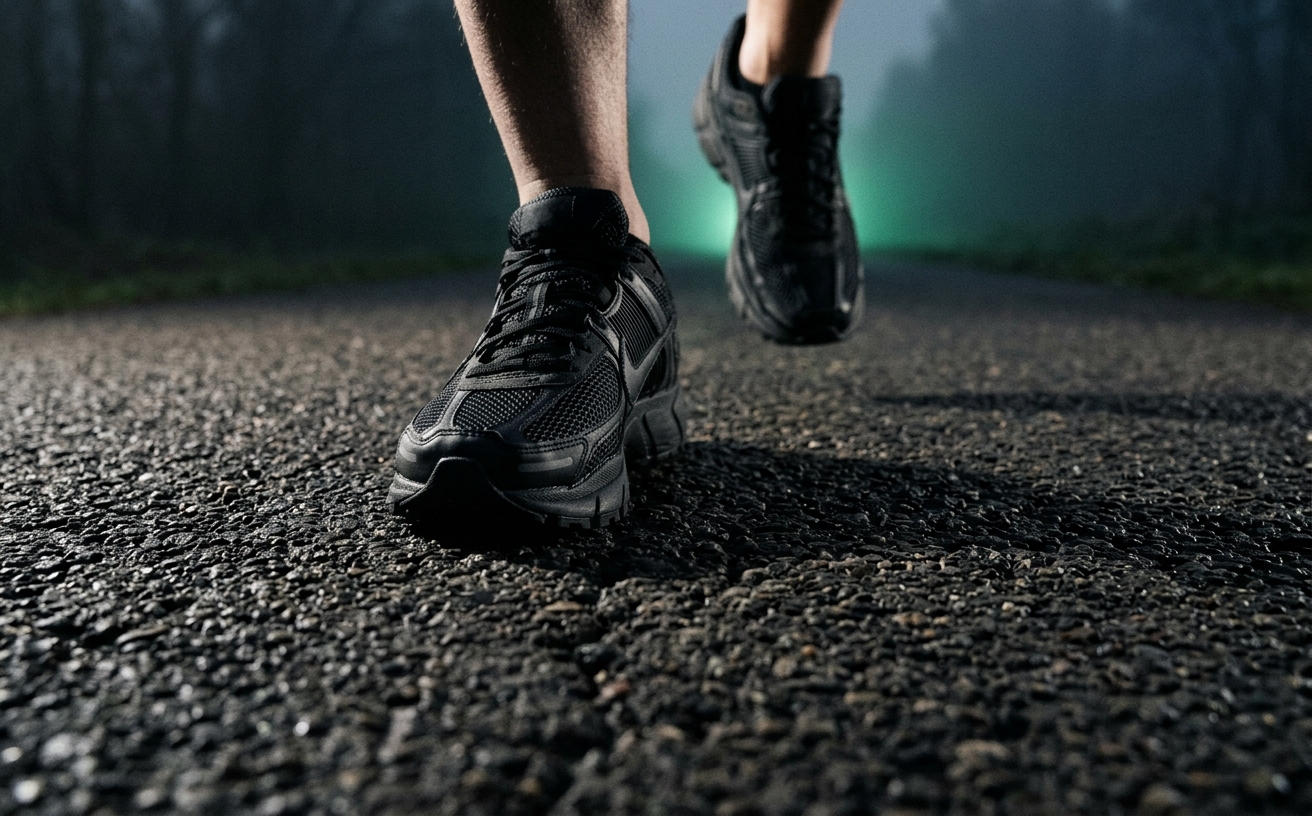
Ten thousand steps is a useful, memorable target, not a magic threshold. The best goal is one that moves you beyond your current baseline and still fits your life.
Why 10,000 steps?
The 10,000-step target became popular through a Japanese pedometer marketing campaign, rather than from a universal medical rule. It remains a handy benchmark for many people, but meaningful health benefits can come from increasing activity below that number too.
Daily movement, sometimes called non-exercise activity, adds up across walking, errands, household tasks, and time on your feet. A gym session is valuable, but it does not automatically make a mostly seated day active.
How more steps can help
- Support fat loss: Walking adds activity and can make a calorie deficit easier to maintain without relying only on restrictive food targets.
- Keep you moving between sessions: Light walking is generally easy to recover from and can be a comfortable way to stay active.
- Build a repeatable habit: A step count gives you a simple measure to track and adjust over time.
How to get your steps in without stress
You do not need a long evening trek. Small walks can be spread through the day:
- Morning walk: Start with 15 to 20 minutes before work if it suits your routine.
- Lunchtime stroll: Walk for 10 to 15 minutes after eating.
- Build movement into errands: Take the stairs when practical, park a little further away, or walk during a phone call.
- Evening reset: A short post-dinner walk can be a useful way to unwind.
What if you are currently doing 3,000 steps?
Do not force yourself from 3,000 to 10,000 overnight. First track your usual week, then add a manageable amount, such as a short walk or around 500 to 1,500 extra daily steps. Hold that level until it feels routine, then build again if it works for you.
“Focus on a realistic weekly average. A low-step day during a busy week is not a failure; return to your normal routine the next day.”
Adjust your target for your schedule, ability, and health. If you have a condition or mobility concern that affects walking, get individual guidance from a qualified health professional.